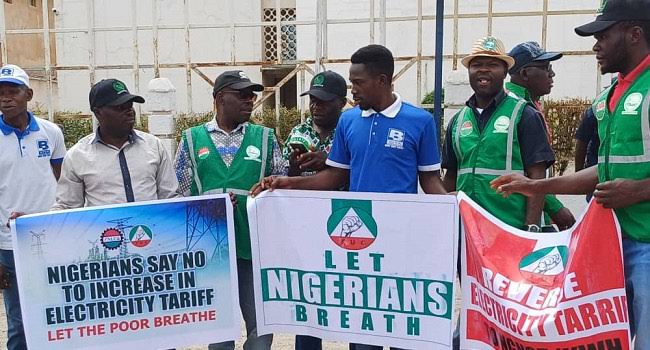
Many Nigerians are still paying for electricity they didn’t fully use — because they don’t have proper meters. Estimated billing is common, and it often works against consumers. This article explains the metering gap, how billing by estimate works, why it hurts you, and what you can do about it, backed by real data and clear steps.
This article is a continuation of this post The True Cost of Light: Why Nigerians Pay More Than They See – Part 1.
What Is the “Metering Gap”, And Why It Matters
- As of Q3 2024, more than 53% of electricity customers in Nigeria are still unmetered. (Nairametrics)
- That means millions of households are billed not on how much electricity they actually use, but on an estimate, or guess, by their DisCo (Distribution Company). (The Whistler Newspaper)
- NERC and other regulators have publicly called out the “estimated billing” model as a major source of customer complaints. (allAfrica.com)
- According to NERC’s Q1 2025 report, DisCos have metered more Band A customers using certain metering programs, but the gap still remains very large.
Why it matters for you:
- Without a meter, you don’t know exactly how much electricity you used.
- DisCos may overestimate usage, leading to higher bills.
- You lose the power to verify and challenge what you’re being charged for.
How Estimated Billing Works And Why It Often Favors DisCos
Here’s a breakdown of how estimated billing works and why it’s a problem:
- Historical or “norm” estimation
- DisCos look at past usage, or usage of similar houses in your area (same “feeder”), and guess how much electricity you should be charged for.
- If you just recently moved, or your usage changed, this guess may be very far from your real consumption.
- Capping rules
- NERC has a rule called the “Capping of Estimated Bills” to limit how much DisCos can overcharge unmetered customers without a meter. (The Guardian Nigeria)
- Despite these rules, some DisCos have been fined for violating the cap. (The Guardian Nigeria)
- These fines are meant to protect consumers, but the system is still very imperfect.
- Metering frameworks
To reduce the metering gap, there are several programs DisCos and regulators use:
- MAP (Meter Asset Provider): Private firms provide the meter, but it remains the property of the provider or DisCo.
- NMMP (National Mass Metering Programme): Government-backed effort to provide meters to many customers.
- MAF Scheme: Meter Acquisition Fund — a way to finance meters for certain customers.
- These programs are supposed to speed up the process of giving customers real meters, not just estimates.
The Real Impact on Consumers
Why this gap hurts you — beyond just a “weird bill”:
- Overbilling: Because many customers are unmetered, DisCos have “guessed” bills, and many of those guesses are too high. In fact, when NERC fined some DisCos, over 2 million customers had to be credited (money returned) to their accounts. (The Guardian Nigeria)
- Trust issues: Many people feel cheated. When you don’t have a meter, you can’t confirm whether the DisCo’s guess is correct.
- Billing complaints: According to NERC, a huge portion of DisCo customer complaints come from metering and billing. (allAfrica.com)
- Sector losses: The metering gap contributes to what’s called ATC&C losses (technical + commercial + collection). In plain terms: DisCos lose a lot of power or don’t bill/pay for a lot of power.
- Unequal burden: People who are metered tend to pay for what they use, but those on estimates may pay for more than they consumed — or be on the hook when DisCos fail to manage their costs properly.
Real Data Snapshot (Metering & Billing in Nigeria)
Here are key stats to help you understand how big the problem is:
| Metric | Data (most recent) |
| % of Unmetered Customers | ~53.85% of registered customers remain unmetered. (Nairametrics) |
| Number of Estimated-Billing Customers | ~7.32 million, according to NERC. (The Whistler Newspaper) |
| Meter Deployment Requirement (2024–2027) | NERC mandated DisCos to spend ₦275 billion to provide ~2.86 million meters. (Nairametrics) |
| ATC&C Loss (2024) | ~37.95% average. |
| Startup of MAP / MAF / NMMP | DisCos installed thousands of meters in Q1 2025, including under MAP & MAF. |
What You Can Do. Practical Actions for Consumers
DeKing Charity Foundation believes that empowering people with knowledge is the first step to fairness. Here’s how you can act now:
- Know your status
- Check whether your house is metered or estimated.
- Ask your DisCo directly: “Is my bill based on a meter or an estimate?” Make them prove it.
- Demand your meter
- If you’re unmetered, request one. DisCos are supposed to install meters under programs like MAP or NMMP.
- Document every interaction: take note of dates, names, and what was promised.
- Log your meter readings (if you have one)
- Take photos of your meter reading regularly (e.g., every billing cycle) with the date/time.
- Compare what you read vs. what the DisCo is charging.
- Use a helper tool
- Track your prepaid credit purchases (if on prepaid) to understand how many units you get for your money.
- Use simple mobile apps or notebooks to track usage. (There are apps where you record how much you top up, how much it lasts, etc.)
- File complaints effectively
- When billing error happens, lodge a formal complaint with your DisCo. Include evidence (meter photo, past bills).
- If not resolved, escalate to NERC: they have a consumer-protection mandate and can penalize DisCos.
- Join or start a consumer group in your area: when many people complain together, DisCos and regulators are more likely to act.
- Raise awareness in your community
- Tell your neighbours about the metering gap.
- Use community meetings or local social media to push for fair metering.
- DeKing Charity Foundation can partner with community groups or local leaders to run “metering-awareness” campaigns — you can help by organizing or participating.
- Fairness: We believe every person should pay for what they actually use, not what someone guesses they used.
- Transparency: When more people understand what metering is and why it matters, we force DisCos and regulators to be more honest and more accountable.
- Empowerment: With knowledge, you can challenge incorrect billing, demand meters, and push for better service in your area.
- Change: Metering is a structural issue. By targeting it, we’re tackling one of the biggest roots of corruption, overbilling, and system loss in Nigeria’s power sector.
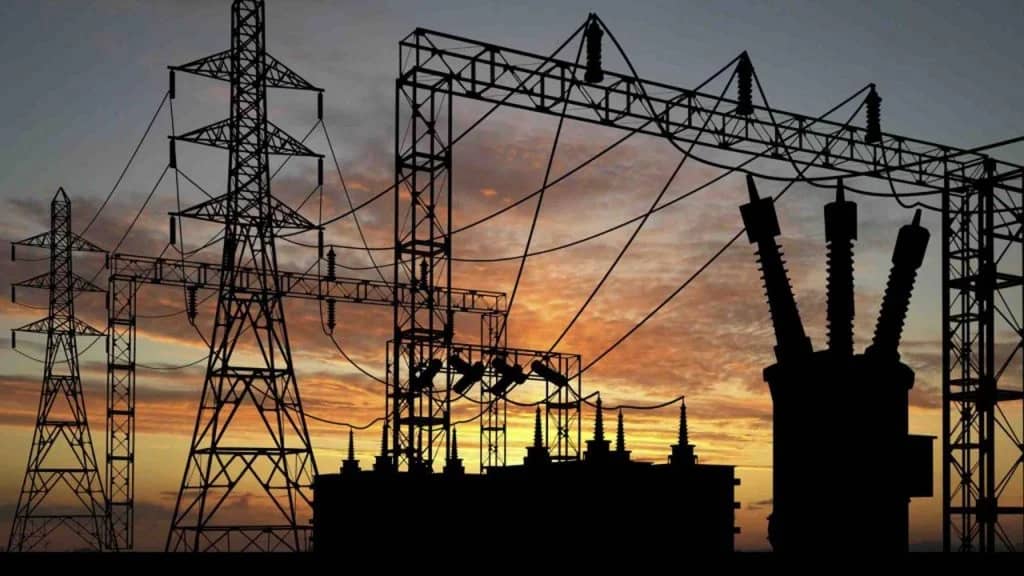
To learn more about billing and metering and how you can save electricity cost check this articles: Metering, Estimated Billing & Your Power Bill: What You Need to Know and Nigeria’s Power Crisis Exposed: Corruption, Collapse & the Road to Reform
At DeKing Charity Foundation, our mission isn’t just to tell you what’s wrong — we want to help you fix it. Here’s why we focus on metering:
We are committed to working with local communities, civil society, and regulatory bodies like NERC to push for metering justice — because when people know their rights, they can demand better.
The Real Cost of Doing Nothing
If the metering gap remains large:
- DisCos will continue to overbill.
- Consumers will keep paying unfairly, especially the poor and unmetered.
- ATC&C losses will remain high, hurting the industry’s finances and making it harder to improve supply.
- Trust in the power sector stays broken.
Conclusion & Call to Action
You deserve to know exactly how much you pay for electricity. With or without a meter, you have the right to demand clarity. DeKing Charity Foundation urges you to:
- Ask for a meter if you don’t have one
- Document your readings / billing
- File complaints when things are wrong
- Join or build a community group to push for accountability
When enough of us act, not just individually, but together, we can force real change in Nigeria’s power sector. And that change starts with fair metering.