Introduction
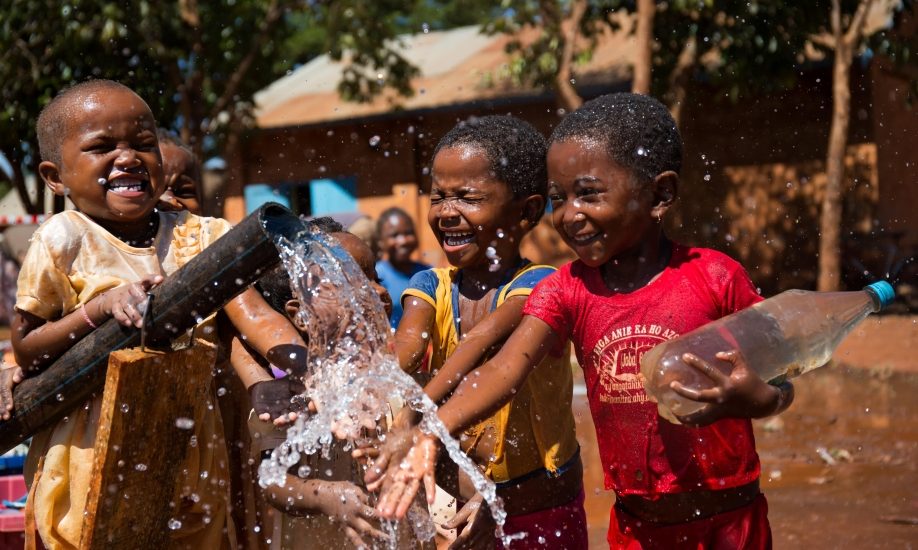
Access to clean water is one of the most fundamental determinants of public health. Yet, for millions of Nigerians, safe drinking water remains out of reach. As the world marks World Water Day, the urgency of addressing water access inequalities in Nigeria cannot be overstated.
Water is not just a basic necessity—it is a public health intervention, a driver of economic productivity, and a foundation for community resilience. Without it, preventable diseases persist, livelihoods are disrupted, and development goals remain unattainable.
The State of Water Access in Nigeria
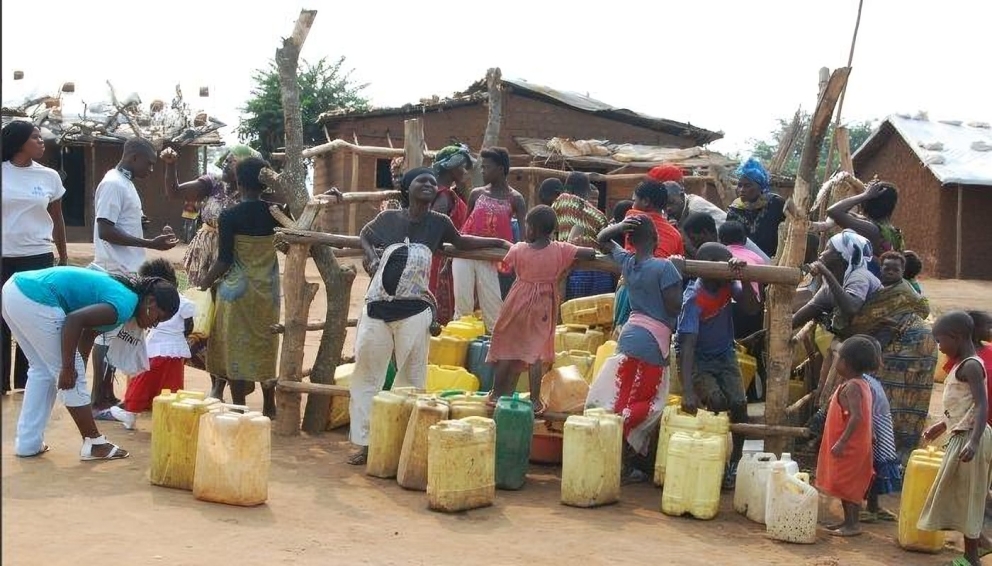
Nigeria continues to face significant disparities in access to safe drinking water. According to the WHO/UNICEF Joint Monitoring Programme, only about 21.7% of Nigerians had access to safely managed drinking water services as of 2020 (WHO/UNICEF JMP, 2021).
National assessments also show that access is highly unequal:
- Only 7% of rural populations have safely managed water, compared to 29% in urban areas (UNICEF, 2019).
- In some northern regions, access drops as low as 2% (UNICEF, 2019).
While about 70% of Nigerians have access to basic drinking water, quality and reliability remain major concerns, with many still relying on unsafe or inconsistent sources (UNICEF, 2021).
The World Bank further highlights that Nigeria remains far below global benchmarks for safely managed water access (World Bank, 2022).
Public Health Implications
Unsafe water is a major contributor to disease and mortality in Nigeria. Contaminated water and poor sanitation are responsible for a significant burden of illness, including diarrhoeal diseases that kill over 70,000 children under five each year (UNICEF, 2023).
An estimated 73% of diarrhoeal disease burden is linked to poor water, sanitation, and hygiene (WASH) conditions (UNICEF, 2023).
Beyond immediate illness, repeated exposure to unsafe water contributes to:
- Chronic malnutrition
- Weakened immunity
- Increased healthcare costs
These outcomes place sustained pressure on already stretched healthcare systems (WHO, 2022).
Gender and Social Impact
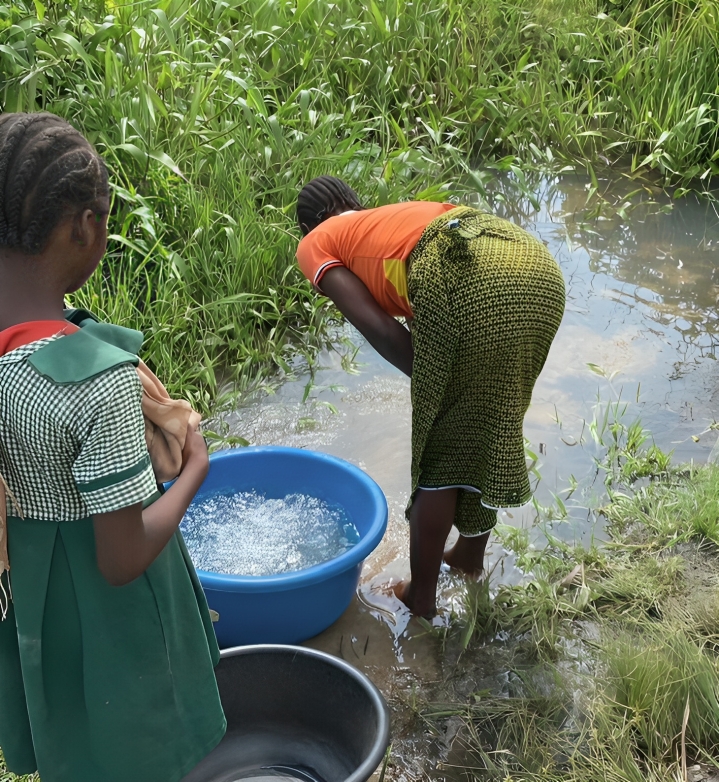
Water scarcity disproportionately affects women and girls. In many communities, they are responsible for sourcing water—often traveling long distances daily.
This creates:
- Time poverty that limits education and economic participation
- Increased exposure to physical risks
- Reinforcement of gender inequality
Globally, improving water access is recognized as a key intervention for advancing gender equality and social inclusion (UNICEF, 2021).
Economic and Development Impact
Limited access to safe water has measurable economic consequences. Households spend more on healthcare due to preventable illnesses, while productivity declines due to sickness and caregiving responsibilities (World Bank, 2022).
Nigeria’s water sector also suffers from underinvestment. Estimates suggest that the country must significantly increase funding—up to 1.7% of GDP—to meet water and sanitation goals (World Bank, 2022).
At the household level:
- Many families purchase water daily due to unreliable supply
- Informal businesses experience disruptions
- Livelihoods become unstable
Environmental and Climate Factors
Environmental challenges are intensifying Nigeria’s water crisis. Flooding contaminates water sources, while drought reduces availability.
National WASH data shows that:
- 68% of drinking water sources are contaminated at source
- Up to 70% are contaminated at the point of use (UNICEF, 2021)
Climate change further compounds these risks, especially in vulnerable rural and peri-urban communities (World Bank, 2022).
Policy Gaps and Governance Challenges
Despite multiple policy frameworks, implementation gaps persist. Key challenges include:
- Inadequate infrastructure investment
- Weak regulatory enforcement
- Poor maintenance of water facilities
- Limited community participation
Data from national WASH reports indicate that 84% of households are dissatisfied with water services, reflecting systemic inefficiencies (UNICEF, 2021).
Bridging these gaps requires stronger governance, transparency, and accountability.
Pathways to Solutions
Addressing Nigeria’s water crisis requires coordinated action:
Community-Level Interventions
- Hygiene education and behavior change (WASH programs) (WHO, 2022)
- Community ownership of water infrastructure
- Local monitoring and maintenance systems
Government Action
- Increased investment in water infrastructure
- Expansion of rural water supply systems
- Enforcement of water safety regulations
- Integration of climate resilience strategies (World Bank, 2022)
Private Sector and Development Partners
- Public-private partnerships for infrastructure development
- Innovation in low-cost water purification solutions
- Support for community-based water initiatives
Clean water is not a privilege—it is a fundamental human right and a cornerstone of sustainable development. For Nigeria, closing the water access gap is essential to improving public health outcomes, promoting gender equality, and strengthening community resilience.
As stakeholders reflect on World Water Day, the path forward must be clear: invest in water systems, empower communities, and implement policies that ensure safe and equitable access for all.
The health of the nation depends on it.
References (APA Style)
UNICEF. (2019). National Outcome Routine Mapping (WASH NORM) Report. Abuja: UNICEF Nigeria.
UNICEF. (2021). WASH NORM II Report. Abuja: UNICEF Nigeria.
UNICEF. (2023). Water, Sanitation and Hygiene (WASH) in Nigeria.
WHO. (2022). Drinking-water. World Health Organization.
WHO/UNICEF Joint Monitoring Programme (JMP). (2021). Progress on household drinking water, sanitation and hygiene 2000–2020.
World Bank. (2022). Nigeria Water Supply, Sanitation, and Hygiene Poverty Diagnostic.