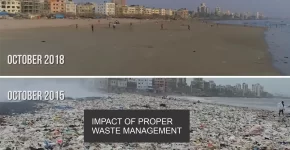

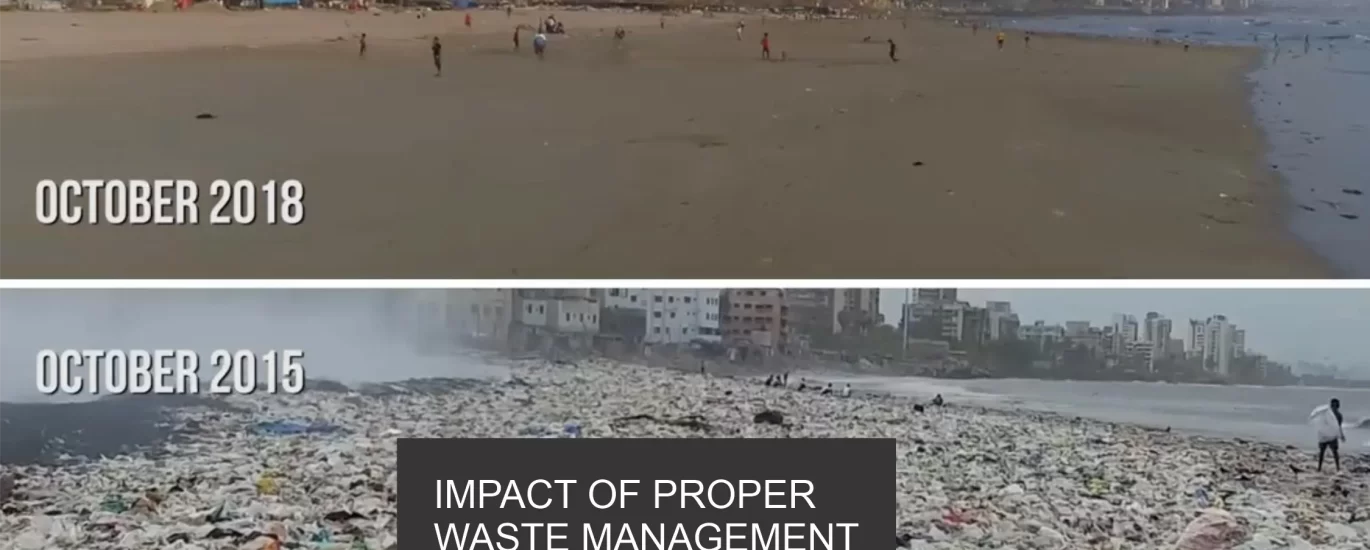
In many Nigerian cities, waste is no longer only an environmental problem. It is a public health and community development issue.
Every day, homes, markets, offices and businesses generate large amounts of waste. When this waste is not properly collected, separated and disposed of, it can block drainage channels, pollute water, create breeding grounds for disease vectors and make communities unsafe.
Plastic waste is an important part of this challenge.
The Growing Plastic Problem
Nigeria generates about 75.6 million kilograms of municipal solid waste every day, according to the World Bank. About 13% of this waste is plastic, equivalent to roughly 12.9 million kilograms of plastic waste each day. The World Bank also estimates that about 81% of municipal waste in Nigeria is inadequately managed.
The problem becomes particularly visible in major cities.
In Lagos, a study supported by the United Nations Environment Programme and UN-Habitat found that about 34 kilograms of plastic waste per person each year was leaking into the city’s water system. Plastic bags, water sachets, bottles and food containers can accumulate in drains and waterways, increasing the risk of flooding and pollution.
Plastic also does not simply disappear when it is thrown away. Larger plastic items can break down into smaller particles known as microplastics, which can enter rivers and other aquatic environments. Nigeria’s Cross, Imo and Kwa Ibo rivers have been identified among the world’s top 20 plastic-polluting rivers.
Waste Management Is a Health Issue
Poor waste management can affect health in several ways.
Blocked drains can contribute to flooding. Accumulated waste can create stagnant water where mosquitoes breed. Burning waste can release harmful smoke and pollutants into the air. People who collect or sort waste without adequate protection can also be exposed to dangerous materials.
The World Bank has documented how waste and air pollution affect vulnerable communities in Lagos, including people who make a living recovering recyclable materials from dumpsites.
This means that keeping our communities clean should not be seen simply as beautification. It is part of protecting public health.
Recycling Can Start in the Community
Recycling does not have to begin with a large recycling plant. It can begin with a household, school, market, church, workplace or neighbourhood.
The first step is separation.
Plastic bottles, cans, paper and other recyclable materials should be separated from food waste and other refuse. Clean recyclable materials can then be taken to collection points or recycling organisations instead of being mixed with general waste.
A good Nigerian example is Wecyclers, a Lagos-based social enterprise that developed community-based recycling services. Its programme allows households to collect recyclable materials and receive value for what they recover. The organisation reports reaching more than 20,000 households and 200,000 beneficiaries.
Such initiatives demonstrate an important lesson: waste can become a resource when communities have the knowledge, systems and incentives to recover it.
What Can Communities Do?
Simple actions can make a difference:
- Reduce unnecessary use of single-use plastics.
- Keep recyclable materials separate from other household waste.
- Do not throw bottles, sachets or bags into gutters and waterways.
- Organise community clean-up and recycling days.
- Encourage schools and youth groups to participate in environmental projects.
- Support responsible waste collectors and recycling organisations.
- Teach children that keeping the environment clean is everyone’s responsibility.
At DeKing Charity Foundation, community development includes creating healthier and safer environments.
Through public sensitisation, volunteer activities, environmental campaigns and community partnerships, the Foundation can help turn waste management from an individual concern into a collective responsibility.
A clean community is not created by government alone. It requires residents, businesses, schools, community leaders, volunteers and organisations working together.
The goal should not only be to clean up waste after it has accumulated. It should be to build communities where less waste is produced, recyclable materials are recovered, public spaces are protected and people understand the connection between environmental responsibility and good health.