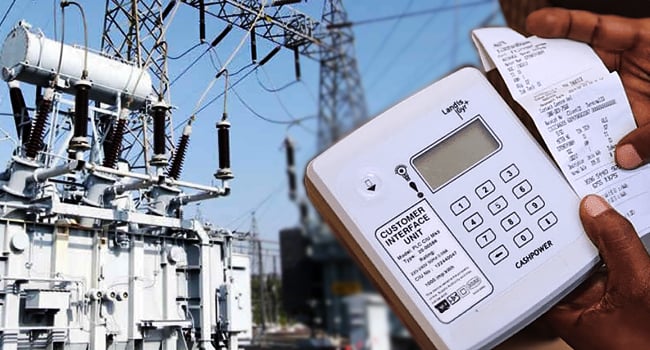
Your electricity bill isn’t just what you pay for the light in your home. It’s a mix of costs — generation, transmission, distribution — and because of frequent outages, poor metering, and other inefficiencies, many Nigerians end up paying more for less. At DeKing Charity Foundation, we believe in promoting fairness through awareness: this article shows, in simple terms, how tariffs and billing actually work, why bills can be painfully high, and what you can do to protect yourself.
How Electricity Billing Works
Think of your electricity bill like buying fuel from three shops:
- Generation — the power plants that make electricity.
- Transmission — the companies that transport that power across the country.
- Distribution (DisCos) — the ones who deliver electricity to your home, then send you the bill.
Your kWh (kilowatt-hour) charge includes all those costs plus other things like taxes. The regulator, NERC (Nigerian Electricity Regulatory Commission), sets the rules. They issue something they call the Multi-Year Tariff Order (MYTO), which decides how much we pay in different “bands” depending on how much electricity a person is supposed to get.
Tariff Bands & Recent Increases
To make things fairer, NERC created tariff bands (A–E) based on how many hours of electricity people get. The more hours, the higher the band. Band A, for example, has seen really high unit costs lately — up to about ₦206–₦209.5 per kWh.
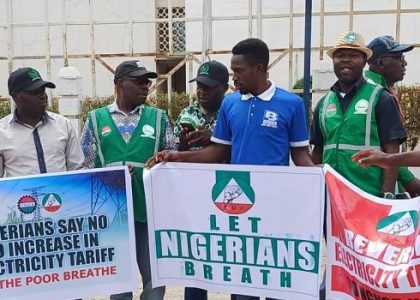
Many people are angry because even though they are paying more, their electricity is still unreliable.
Why Your Electricity Bill Might Be High Even When the Lights are Out
Here’s why you might be paying a lot, even when things don’t look right:
- Estimated billing: Some people don’t have proper meters yet, so DisCos guess how much power they used and bill them on that
- Lost electricity (ATC&C losses): DisCos lose a lot of power. Some of it disappears in old power lines or is stolen, and some people don’t pay their bills. That loss is then spread to those who do pay.
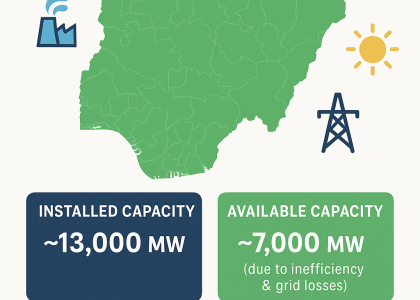
- Grid collapse & bad infrastructure: The national grid often fails, and when it does, many people still pay for electricity even if they don’t get enough hours of supply.
Key Facts (Backed by Real Data)
Here are some important facts to know:
- NERC uses a Multi-Year Tariff Order (MYTO) to decide how electricity is billed.
- Band A customers have been charged ₦206–₦209.5/kWh.
- Nigeria is rolling out millions of meters to reduce estimated billing.
- ATC&C losses remain very high, which pushes up costs for paying customers.
- Many businesses lose billions because of erratic power supply.
How to Calculate Your Real Electricity Cost
You can check for yourself how much electricity you should be paying for the appliances you use:
- Find the wattage of an appliance (e.g., 200W for a small fridge).
- Multiply by hours used: 200 W × 10 hours = 2,000 Wh = 2 kWh.
- Multiply by tariff (say ₦209.5/kWh): 2 × 209.5 = ₦419 per day.
- Over a month (×30): ~₦12,570 for just that fridge.
Use this formula for all your big appliances to know what they really cost.
To learn more about billing and metering and how you can save electricity cost check this articles: Metering, Estimated Billing & Your Power Bill: What You Need to Know and Nigeria’s Power Crisis Exposed: Corruption, Collapse & the Road to Reform
What You Can Do Right Now (Even If You’re Not a Power Expert)
Here are practical steps you, a regular consumer, can take to fight unfair billing:
- Check your meter: Take photos of your meter reading regularly. Know whether your meter is prepaid or not.
- Track how much power you use: Use the calculation above to estimate consumption of big appliances.
- Negotiate your bill: If you think your bill is wrong, contact your DisCo with evidence (photos).
- Ask for a meter: If you don’t have one, demand a proper meter. It reduces guesswork.
- Join or start a community action: Talk with your neighbors about fair billing, and push for collective inspections or pressure on your DisCo.
- Push for policy change: Use your voice, through community forums or local activism, to demand better metering and transparency.
At DeKing Charity Foundation, be believe that when everyday Nigerians understand how their electricity bills work, they can:
- Hold DisCos accountable
- Save money by using power smartly
- Advocate for reforms (metering, better regulation)
- Unite as a community to demand transparency
By educating people, we are not just helping them pay less, we are giving them the tools to protect themselves and demand better service.
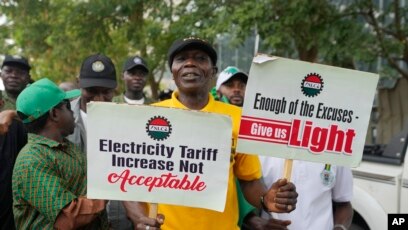
How the Power Sector Could Change for the Better
To make real change, we must push for:
- More and better meters across Nigeria — fewer estimations.
- Lower ATC&C losses via better infrastructure and anti-theft measures.
- Investment in transmission to reduce grid collapses.
- Transparent tariffs: a system where customers understand what they pay for, and regulators enforce it fairly.
Short Checklist for Your Next Bill
- Take a photo of your meter reading before the bill is due
- Calculate how much your heavy-use appliances should consume
- Compare your bill to your calculation
- If the numbers don’t match, lodge a complaint with DisCo + document it
- Spread awareness: talk to your neighbors about how to check their meter or calculate their usage
Knowing how your bill is made isn’t just for “smart people” — it’s for you. DeKing Charity Foundation is here to share that knowledge, so you can demand fairness, reduce costs, and make informed choices. Power belongs to all of us — and together, we can make sure we pay for what we actually use.