

A New Kind of Daily Expens
Not too long ago, the average Nigerian’s daily expenses were dominated by food and transportation. Today, something has quietly climbed its way into that top tier — mobile data.
Across cities like Lagos, Enugu, Abuja, and Port Harcourt, young professionals, students, traders, and even artisans now spend more money staying connected online than they do moving from one place to another.
From Zoom meetings and WhatsApp business transactions to Instagram marketing and YouTube tutorials, internet access has become less of a luxury — and more of a daily survival tool.
But what does this shift really mean for productivity, employment, and the future of Nigeria’s economy?
The Rise of the Digital Daily Budget
In 2025, internet access in Nigeria powers:
- Remote work
- Digital entrepreneurship
- Online banking
- E-learning
- E-commerce
- Social commerce
- Telemedicine
- Content creation
For millions of Nigerians, especially young people, data subscriptions are no longer occasional purchases — they are recurring operational costs.
A freelance graphic designer in Aba may now rely on stable data access to deliver international contracts.
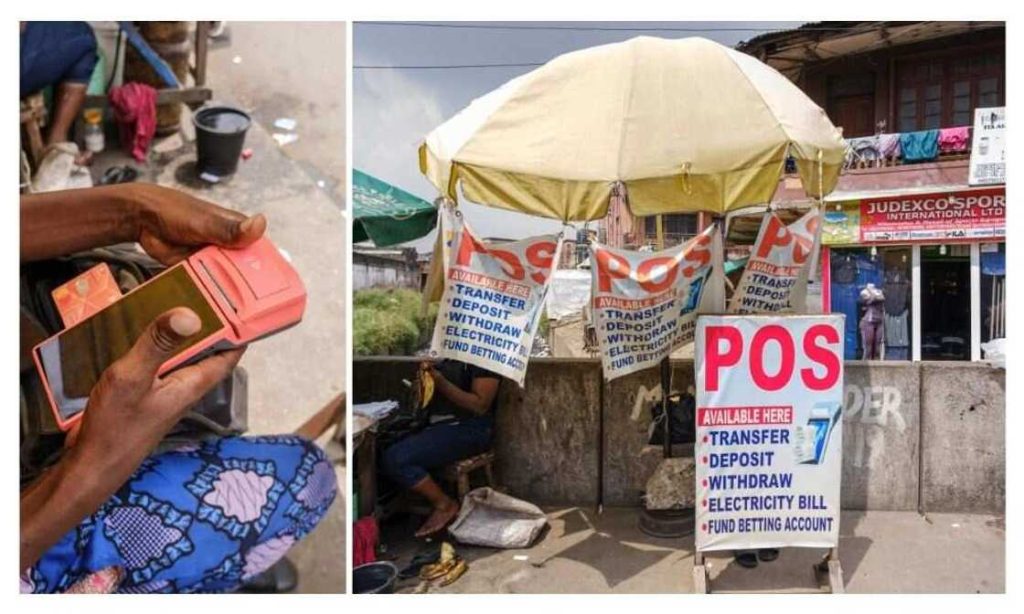
A POS operator in Ibadan needs connectivity to complete daily financial transactions.
A fashion vendor in Kano depends on Instagram uploads to reach customers.
In each case, connectivity equals income.

Transport vs. Data: A Lifestyle Trade-Off
As remote work, online classes, and digital marketplaces expand, many Nigerians are actively reducing physical movement — and increasing digital presence.
Examples include:
- Attending virtual job interviews instead of traveling
- Hosting online meetings instead of commuting to offices
- Marketing products through TikTok instead of renting shop space
- Learning skills through YouTube rather than attending physical training centers
The result?
People are:
✔ Spending less on buses or fuel
✔ Spending more on data bundles
In effect, transport costs are being replaced by bandwidth costs.
Nigeria’s informal economy — which employs a significant portion of the population — is rapidly digitizing.

Internet as Infrastructure for Informal Workers
Consider:
- Ride-hailing drivers using navigation apps
- Online thrift vendors posting product updates daily
- Food delivery riders managing app-based orders
- Photographers uploading portfolios for clients abroad
For these workers, data is no longer a communication tool — it is the infrastructure upon which their livelihoods depend.
Without connectivity:
- Transactions stall
- Orders are missed
- Clients disappear
- Payments delay
In many cases, no data means no income.
Productivity in a Data-Driven Society
This growing reliance on internet access is reshaping how Nigerians work and learn:
| Traditional Model | Emerging Model |
|---|---|
| Office presence | Remote productivity |
| Physical markets | Online storefronts |
| Face-to-face training | E-learning |
| Paper banking | Mobile banking |
| Word-of-mouth marketing | Social media marketing |
From coding tutorials to digital marketing bootcamps, internet-enabled self-education is becoming one of the most important pathways to employment for young Nigerians.
The Hidden Challenge: Digital Inequality
However, this transformation raises a critical concern — who can afford to stay connected?
As data costs consume a larger portion of household budgets:
- Low-income earners risk digital exclusion
- Students may struggle to access learning resources
- Entrepreneurs could lose online visibility
- Rural communities may fall further behind urban counterparts
In a country where opportunity is increasingly tied to internet access, the cost of connectivity can influence:
- Job prospects
- Educational outcomes
- Business growth
- Access to services
Looking Ahead: Connectivity as Economic Strategy
As Nigeria continues its transition into a digital-first economy, affordable and reliable internet access will play a defining role in:
- Workforce participation
- Youth employment
- Innovation
- Financial inclusion
For policymakers, development organizations, and private sector stakeholders, supporting connectivity may become just as important as investing in roads, schools, or electricity.
Because in 2025, data is not just about communication.
It is about participation.
How is internet access shaping your daily work or business?
Share your experience with us and join the conversation on Nigeria’s digital future.