
Early Detection of Glaucoma Saves Lives
On our recent program on Echo 100.7 FM, we took a bold step to shine a light on a silent but devastating disease: glaucoma. Together with two experienced eye doctors, we discussed why early detection, regular checkups, and simple daily habits are critical to protecting our eye health. This discussion is not just for urban dwellers; it is for everyone, especially those in rural communities where access to eye care is often limited.
What is Glaucoma?
Glaucoma is an eye disease that slowly damages the optic nerve — the part of the eye that sends visual signals to the brain. It often starts with increased pressure inside the eye, known as intraocular pressure. Over time, if untreated, glaucoma leads to gradual vision loss and, eventually, complete blindness.
One of the most dangerous things about glaucoma is that it progresses silently. Many people do not notice any changes in vision until the damage is severe and irreversible.
The Numbers Tell the Story
Globally, over 76 million people are living with glaucoma. According to the World Health Organization, glaucoma is the second leading cause of blindness worldwide. In Africa alone, it is responsible for about 15% of blindness cases, affecting millions of people across the continent.
In Nigeria, studies suggest that around 5% of people above 40 years old are affected by glaucoma. Sadly, a large number of cases remain undiagnosed because of lack of awareness and limited access to eye care services, particularly in rural areas.
Why Early Detection Matters
Our guest doctors emphasized an essential truth: glaucoma damage cannot be reversed, but it can be slowed or stopped if detected early. This is why regular eye screenings are so important.
By the time a person notices vision loss, up to 40% of the optic nerve fibers may already be damaged. But with early diagnosis and treatment — which can include medications, laser therapy, or surgery — patients can keep most of their vision for life.
Simple Steps for Healthy Eyes
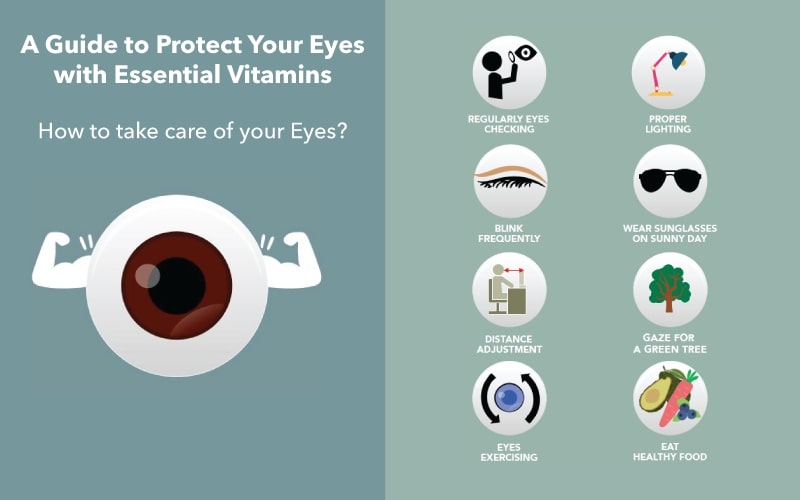
Protecting your eyes does not always require expensive procedures. Here are a few critical steps everyone can take:
- Regular Checkups: Visit an eye clinic at least once every year, especially if you are over 40 or have a family history of eye diseases.
- Cleanliness and Hygiene: Keep your hands and face clean. Avoid rubbing your eyes with dirty hands to reduce the risk of infections that may complicate eye health.
- Protective Measures: Wear sunglasses in harsh sunlight to prevent UV damage. If you work in dusty environments or handle chemicals, use protective goggles.
- Manage Health Conditions: Control blood pressure and diabetes, as these can contribute to eye diseases.
- Avoid Harmful Practices: Stay away from unapproved traditional eye medications or over-the-counter treatments that can worsen conditions.
A Message for Rural Communities
Many people in rural areas believe that vision loss is simply a part of aging, or that it is spiritual. We must change this narrative. Eye diseases are medical conditions that can and should be treated.
Our mission at Echo FM is to bridge this gap by bringing health information directly to your radio and community. We believe knowledge is power, and when you understand your body, you are better equipped to protect it.
This awareness effort supports the United Nations’ health agenda, especially the goal to ensure healthy lives and promote well-being for all ages (SDG 3). By talking openly about glaucoma and encouraging regular eye checkups, we are taking concrete steps to reduce avoidable blindness in our communities.
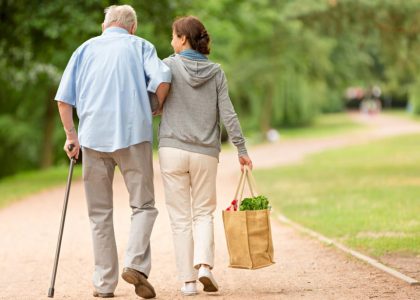
We challenge every listener and reader: Check your eyes today. Encourage your parents, grandparents, and neighbors to do the same. It is not just about seeing clearly; it is about living fully and independently.
Let us all take responsibility to spread this message, support each other, and protect our eyes, the windows to our world.
Sources & References
- World Health Organization (WHO): Vision Impairment and Blindness Factsheet
- Nigerian National Blindness and Visual Impairment Survey
International Agency for the Prevention of Blindness (IAPB)