

Nigeria continues to experience a growing youth population entering the labour market each year. However, formal employment opportunities have not expanded at the same pace, leaving many young people unemployed or underemployed despite holding academic qualifications.
Across both urban and rural communities, there is increasing evidence that traditional education pathways alone may no longer guarantee access to sustainable livelihoods. While formal degrees remain valuable, many young Nigerians are finding that practical, demand-driven skills offer more immediate pathways to employment and income generation.
At DeKing Charity Foundation, youth empowerment remains a central focus of our advocacy and community sensitization efforts. Understanding how employability is evolving is critical to supporting young people as they navigate today’s economic realities.
The Rise of the Informal Skills Economy
Nigeria’s informal economy accounts for a significant share of employment opportunities, particularly for young people. In recent years, there has been a noticeable shift toward skills-based work across sectors such as:
- Tailoring and fashion design
- Electrical installation and maintenance
- Plumbing and construction trades
- Catering and food services
- Phone and computer repairs
- Digital services such as photography, graphics, and content creation
Many of these activities require technical competencies rather than formal academic degrees. As a result, young people who acquire vocational or technical skills are often able to enter the workforce more quickly than their counterparts relying solely on certificate-based qualifications.
This shift reflects broader labour market trends in which practical expertise is increasingly valued alongside — or sometimes above — theoretical knowledge.
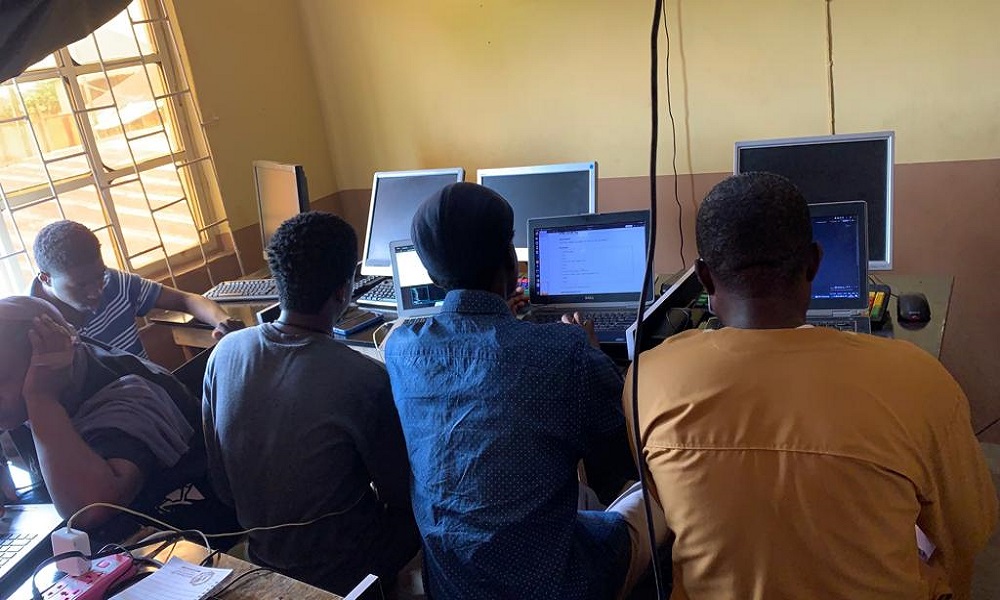
Access to Technical Training
Despite the growing importance of vocational skills, access to quality technical training remains uneven across communities.
Common barriers include:
- Limited availability of training centres
- High costs of apprenticeship or certification
- Inadequate training equipment
- Gender stereotypes restricting participation in certain trades
- Lack of information about available opportunities
In rural and underserved areas, these challenges are even more pronounced, limiting the ability of young people to develop market-relevant competencies.
Expanding access to community-based training programmes and strengthening technical and vocational education systems can help bridge this gap, ensuring that youth from diverse backgrounds have the opportunity to participate in skills development initiatives.
Skills as a Tool for Unemployment Mitigation
Practical skills acquisition has the potential to:
- Support self-employment
- Encourage entrepreneurship
- Increase participation in local value chains
- Enhance adaptability to changing labour market demands
For example, young people trained in electrical installation may find employment within construction projects, while those with digital marketing skills may support small businesses seeking online visibility.
Additionally, vocational training can foster innovation at the community level by enabling individuals to provide essential services locally, thereby reducing dependence on external providers.
Implications for Community Development
Promoting skills-based employment can contribute to:
- Reduced youth unemployment
- Increased household income
- Strengthened local economies
- Improved access to essential services
- Enhanced social stability
Communities with a higher concentration of skilled youth are better positioned to respond to economic shocks and participate in development initiatives.
Recommendations for Supporting Youth Employability
To enhance youth employability through skills development, stakeholders may consider:
- Investing in vocational and technical training centres
- Providing subsidies or scholarships for apprenticeship programmes
- Encouraging private sector involvement in skills training
- Supporting mentorship and entrepreneurship initiatives
- Promoting inclusive participation for women and persons with disabilities
Such measures can help create an enabling environment in which young people are equipped with the competencies needed to secure sustainable livelihoods.
As Nigeria’s labour market continues to evolve, rethinking traditional approaches to employability is essential. While formal education remains important, practical skills are increasingly becoming a key driver of economic participation and resilience.
Through awareness campaigns and community engagement, DeKing Charity Foundation remains committed to supporting initiatives that empower youth with the knowledge and technical abilities required to thrive in today’s dynamic economy.