
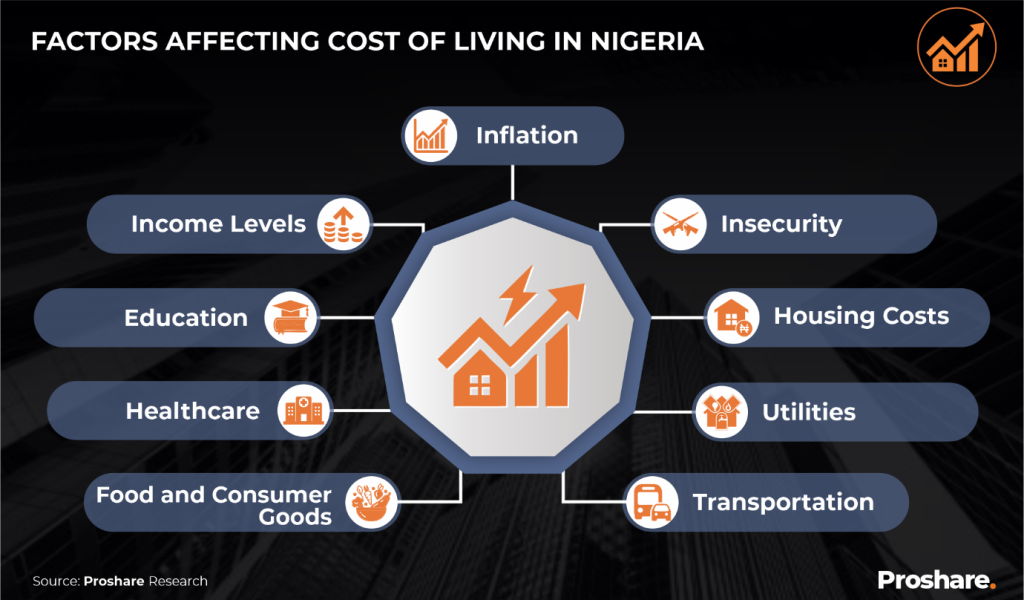
Across Nigerian cities — and especially in Imo State’s urban centres like Owerri, Orlu, and Okigwe — rising living costs are changing how families survive, thrive, and plan for the future. Recent data from the National Bureau of Statistics (NBS) shows that Imo State now has one of the highest cost‑of‑living indices in Nigeria, significantly affecting household budgets, nutrition, housing stability, and child well‑being. (Source: NBS, 2025 CPI rebasing)
With food prices and accommodation costs rising faster than incomes, families are forced to make difficult choices:
➡ Reduce meal quality or frequency
➡ Curtail education expenses
➡ Delay medical care
➡ Accept informal, low‑paying jobs
These shifts threaten not only short‑term survival but long‑term development outcomes for children and families.
At DeKing Charity Foundation, we believe that building resilient communities begins with clear understanding and informed action. This article analyses the real impact of urban living costs on families in Imo State and outlines practical, data‑informed recommendations to support household well‑being now and into the future.
Understanding the Urban Cost of Living Crisis
Rising Food Inflation
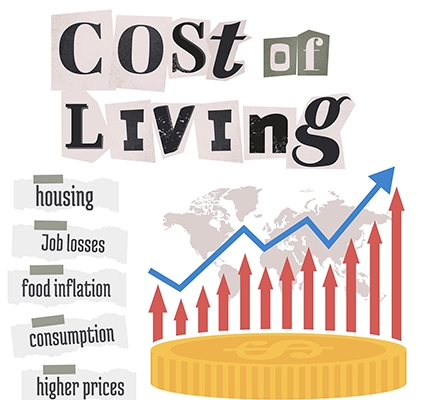
Food accounts for the largest share of household expenditure in urban Nigeria. By the end of 2025:
- National food inflation hovered above 30%
- Vegetables, staple grains, and protein sources recorded sharper increases
- Cooking oil prices remain volatile due to supply issues
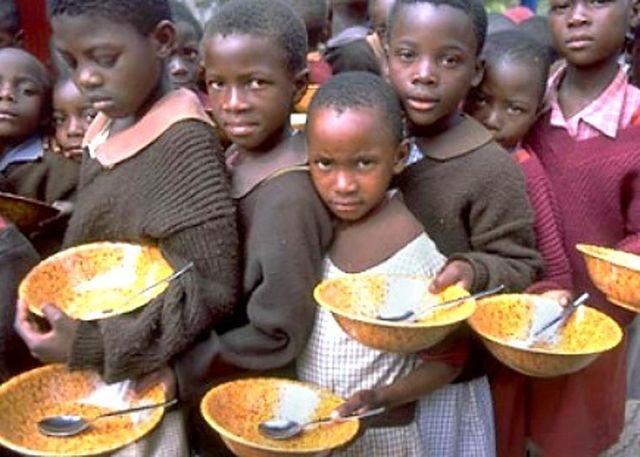
For many low‑income families, eating balanced meals has become unaffordable without cutting back on quantity or nutrient quality.
Urban rents in Imo State have increased substantially in recent years, while wages have remained stagnant for many:
Housing Affordability Challenges
- Average monthly rent (1 bedroom) in Owerri ranges from ₦120,000 – ₦200,000
- Shared or informal housing arrangements have become common
Families often spend 40–60% of monthly income on rent alone, limiting resources for food, health, education, and savings — a trend confirmed by household expenditure patterns analyzed in recent surveys.
Nutrition & Child Welfare Under Strain
The consequences of these economic pressures are showing up in household coping strategies that affect children’s well‑being:
- Reduced meal portions
- Less protein and fresh produce in diets
- Skipped school meals
- Delay or reduction in healthcare visits

Studies have linked such strategies to increased risk of:
- Micronutrient deficiencies
- Lower school performance
- Childhood illness
- Stunted growth in young children
Children bear the long‑term consequences of today’s household coping behaviors.
Household Coping Strategies: What Families Are Doing
In response to rising costs, many families report adopting multiple survival strategies:
Extended families combine households to reduce rent per person.
Household members take informal work to supplement income (e.g., trading, ride‑hailing, farming).
Clothing, transport, and social spending are reduced to prioritize food and rent.
Households increasingly rely on short‑term loans to bridge gaps — often at high interest.
While these strategies help families survive, they often deepen vulnerability and reduce long‑term resilience.
Impact on Family Well‑Being
Rising urban living costs affect family well‑being in several domains:
✔ Health
Fewer resources for healthcare leads to delayed treatment and poorer health outcomes.
✔ Education
Shortened school days, skipped lessons, and inability to afford learning materials.
✔ Nutrition
Inadequate diets reduce physical growth and cognitive development in children.
✔ Mental Well‑Being
Economic instability contributes to stress, anxiety, and family tensions.
DeKing Charity Foundation’s Call to Community Action
At DeKing Charity Foundation, we believe that sustainable community development requires collaborative solutions — not just awareness. Based on our research and community engagements in Imo State, the following are realistic, actionable recommendations.
Expand Community Food Support Networks
Urban households need relief that goes beyond temporary handouts:
- Community food pantries coordinated with local farmers
- Bulk purchasing cooperatives to reduce prices
- Nutrition education to encourage affordable yet balanced diets
These programs can improve access and reduce food insecurity without creating dependency.
Strengthen Skills and Livelihoods
Economic pressure is highest where job opportunities are scarce.
We recommend:
- Skills development programs focused on high‑demand trades
- Digital literacy & online work readiness training
- Support for micro‑enterprise startups and micro‑credit access
These interventions expand household earning capacity and reduce vulnerability.
Advocate for Affordable Housing Initiatives
We call on government partners and housing stakeholders to:
- Develop affordable housing schemes
- Support rental subsidies for vulnerable families
- Encourage community‑driven housing co‑ops
Longer‑term housing security boosts social stability and child welfare.
Promote Local Care Coalitions
Families cannot thrive alone. Collaborative approaches include:
- Local health outreach teams offering basic checkups and referrals
- School nutrition support involving parents and teachers
- Mental well‑being support networks
These efforts build capacity within communities rather than relying on external aid.
Data‑Driven Policy Engagement
Solid data informs lasting solutions.
DeKing Charity Foundation calls on:
✔ Local governments
✔ Community leaders
✔ Development partners
to invest in regular household surveys, cost‑of‑living tracking, and well‑being indicators to guide responsive planning.
Call for Contributions
DeKing Charity Foundation invites partners, philanthropists, and concerned citizens to support scalable initiatives:
👉 Sponsor community food pantries
👉 Fund vocational training for youth and adults
👉 Support affordable housing projects
👉 Back research into living conditions and public services
👉 Volunteer for community outreach programs
Your contribution — big or small — can make a measurable difference in family well‑being across Imo State.
Urban cost-of-living pressures affect more than wallets — they influence health, education, family cohesion, and children’s futures. By understanding these challenges and mobilizing practical, locally grounded solutions, we can strengthen households and support community resilience.
At DeKing Charity Foundation, we stand with families facing economic pressures and advocate for dignity, opportunity, and sustainable well‑being for all.